Introduction
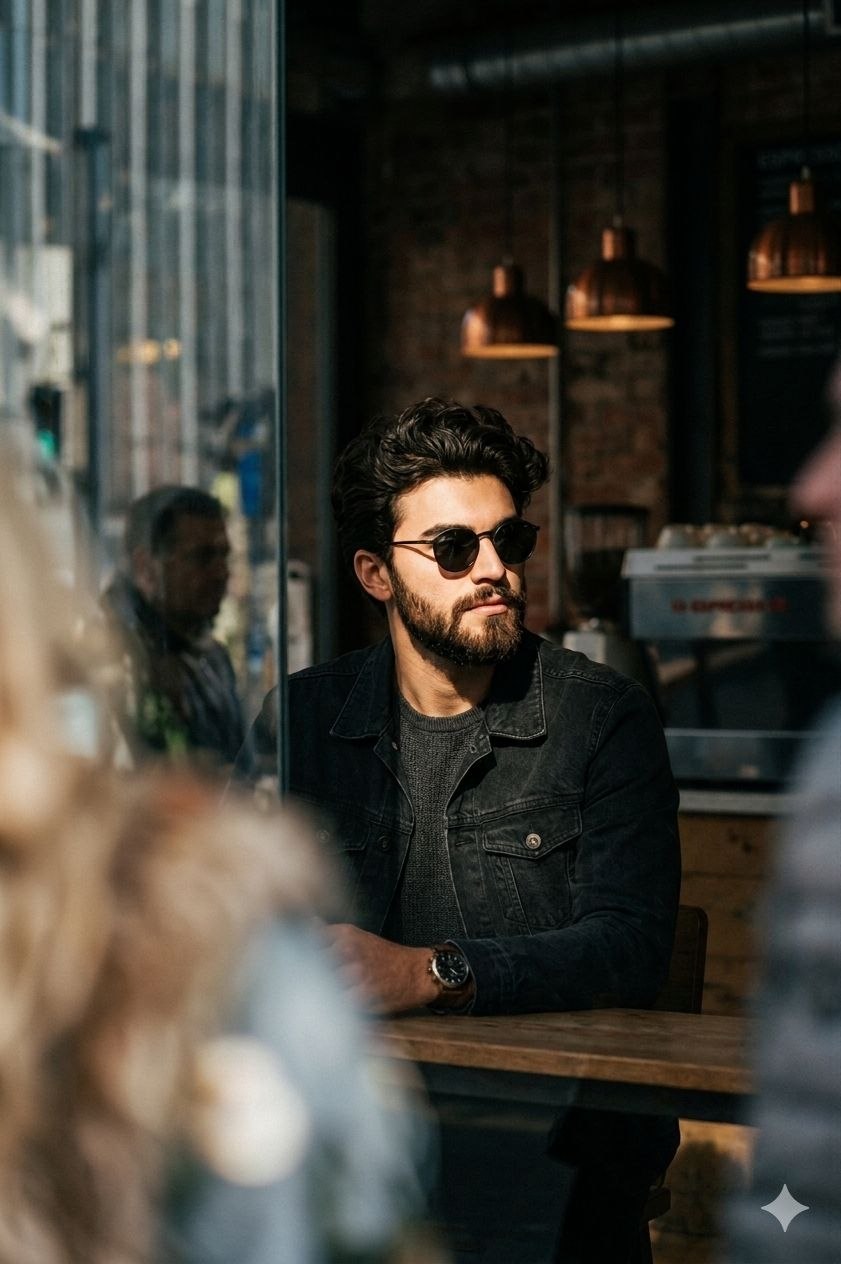
Cinematic café portraits have become one of the most stylish photography trends in modern AI image generation and digital editing. This aesthetic combines luxury café interiors, dramatic sunlight, deep shadows, realistic reflections, and editorial fashion styling to create portraits that feel like scenes from a movie. One of the most visually powerful styles in this category is the “Golden Shadows Café Portrait” look, where warm directional sunlight and moody café ambiance create a sophisticated cinematic atmosphere.
This photography style is extremely popular on Instagram, Pinterest, fashion blogs, and AI photography communities because it captures elegance, mystery, and lifestyle storytelling in one frame. Large glass windows, sunlight reflections, soft background blur, dark interiors, and luxury fashion elements together create a visually rich composition.
The cinematic café portrait aesthetic is inspired by fashion editorials, luxury lifestyle magazines, and movie stills. Strong sunlight hitting the face from one direction while the rest of the scene fades into deep shadows creates dramatic contrast and emotional depth. When combined with reflections on glass and blurred foreground elements, the portrait feels realistic, artistic, and premium.
Today, AI image generation tools and modern editing apps make it easier than ever to create cinematic portraits without professional cameras or expensive studio setups. Whether you are a beginner or an experienced editor, you can create stunning café portraits using detailed prompts and cinematic editing techniques.
In this article, you will learn how to use photo editing techniques, discover the best tools for prompt-based image creation, understand cinematic café lighting aesthetics, and learn step-by-step editing methods to create professional café portraits.
How To Use Photo Editing?
Photo editing is the process of enhancing an image by improving lighting, shadows, colors, textures, and overall visual atmosphere. Cinematic editing focuses more on storytelling and realism instead of heavy filters or artificial effects.
To create a Cinematic Café Portrait in Golden Shadows, focus on the following important elements:
1. Directional Sunlight
Strong sunlight entering from one direction creates dramatic highlights and deep cinematic shadows. This lighting style is essential for movie-like portraits.
2. Glass Reflections
Subtle reflections on café windows add realism and artistic depth to the composition.
3. Foreground Blur
A blurred foreground creates cinematic framing and adds visual depth similar to DSLR photography.
4. Realistic Skin Texture
Avoid excessive smoothing. Natural pores, beard texture, and authentic facial details create a premium editorial appearance.
5. Moody Background
Dark café interiors, soft warm lighting, and muted tones help create a luxury cinematic atmosphere.
6. Color Grading
Warm gold, brown, black, and soft amber tones create the perfect cinematic café aesthetic.
Tools You Can Use For Prompt Copy And Create Photo
Modern AI tools and editing apps allow users to create ultra-realistic cinematic portraits using detailed prompts. These tools are beginner-friendly and powerful enough for professional-quality editing.
1. ChatGPT
ChatGPT is one of the best tools for generating cinematic AI prompts. You can describe lighting, café interiors, fashion styling, camera angles, reflections, and mood to create realistic prompts.
Example Prompt Elements:
Moody café lighting
Golden directional sunlight
Window reflections
Cinematic DSLR photography
Editorial portrait styling
Realistic skin texture
Detailed prompts help AI understand the exact visual style you want.
2. Gemini AI
Gemini AI is popular for realistic cinematic image generation. It understands long prompts and creates premium-quality editorial portraits with impressive detail.
Best Uses:
Café lifestyle portraits
Fashion photography
Cinematic indoor scenes
Luxury editorial visuals
3. Midjourney
Midjourney is famous for artistic cinematic visuals and storytelling compositions.
Features:
Dramatic sunlight effects
Cinematic depth
Realistic reflections
Fashion editorial quality
4. Adobe Lightroom
Lightroom is one of the best professional editing tools for cinematic color grading and portrait enhancement.
You can use it to:
Add warm golden tones
Improve shadow depth
Enhance skin texture
Increase cinematic contrast
Create premium HDR effects
5. Snapseed
Snapseed is a powerful free mobile editing app with advanced cinematic editing tools.
Useful Features:
Selective lighting
HDR effects
Portrait enhancement
Blur effects
Warmth adjustment
6. Adobe Photoshop
Photoshop is useful for adding realistic reflections, foreground blur, and cinematic overlays.
You can use it to:
Create glass reflections
Add depth effects
Improve lighting balance
Add cinematic grain
Blend shadows naturally
How To Edit Photo?
Creating a Cinematic Café Portrait in Golden Shadows requires careful attention to lighting and atmosphere. Follow these steps for professional results.
Step 1: Choose a High-Quality Photo
Start with a clear portrait image that has:
Sharp focus
Natural expression
Balanced exposure
Clear facial details
High-quality source images always produce better cinematic edits.
Step 2: Use a Detailed AI Prompt
A strong prompt is the secret behind realistic AI-generated portraits.
Example Prompt:
“A photorealistic cinematic portrait of a stylish man in his late 20s with dark voluminous hair and a well-groomed beard wearing round sunglasses. He sits inside a moody luxury café, photographed from outside through a large glass window. Strong directional sunlight illuminates one side of his face creating dramatic high contrast and deep shadows. The café window shows subtle vertical reflections while the foreground remains heavily blurred. Warm cinematic tones, realistic skin texture, editorial fashion styling, professional DSLR photography, luxury café atmosphere, ultra-detailed, shallow depth of field, photorealistic 8K quality.”
A detailed prompt helps AI understand:
Lighting style
Camera angle
Café atmosphere
Fashion styling
Reflection details
Cinematic mood
Step 3: Adjust Lighting
In Lightroom or Snapseed:
Increase warmth slightly
Deepen shadows
Add soft highlights
Maintain realistic exposure
Lighting should feel dramatic yet natural.
Step 4: Apply Cinematic Color Grading
Use:
Warm golden highlights
Deep brown shadows
Soft black tones
Slight matte finish
Balanced colors create a premium cinematic look.
Step 5: Enhance Facial Details Naturally
Do not over-edit the face.
Instead:
Maintain beard texture
Keep realistic pores
Preserve natural skin tones
Reduce blemishes softly
This creates a luxury editorial appearance.
Step 6: Add Reflections and Blur
Use Photoshop or PicsArt to add:
Soft glass reflections
Foreground blur
Cinematic depth
Light streaks
These elements make the image feel realistic and artistic.
Step 7: Final Adjustments
Before exporting:
Improve contrast slightly
Balance colors carefully
Sharpen eyes softly
Maintain cinematic softness
Export the image in high resolution for the best visual quality.
Conclusion
Cinematic Café Portraits in Golden Shadows beautifully combine fashion, luxury lifestyle aesthetics, and cinematic storytelling into one powerful visual style. With the help of AI prompts, editing apps, and cinematic lighting techniques, anyone can create premium-quality portraits that feel stylish, dramatic, and professional.
The secret behind cinematic editing is balanced lighting, realistic textures, elegant reflections, and emotional atmosphere instead of excessive filters. Whether you use ChatGPT for prompt writing, Gemini AI for image generation, Lightroom for cinematic color grading, or Photoshop for advanced reflections and blur effects, the key is maintaining realism and visual depth.
As AI photography continues to evolve, cinematic café portraits are becoming more creative and accessible every day. By learning proper prompt writing and editing techniques, you can transform ordinary portraits into stunning luxury cinematic masterpieces with premium magazine-quality aesthetics.