Introduction
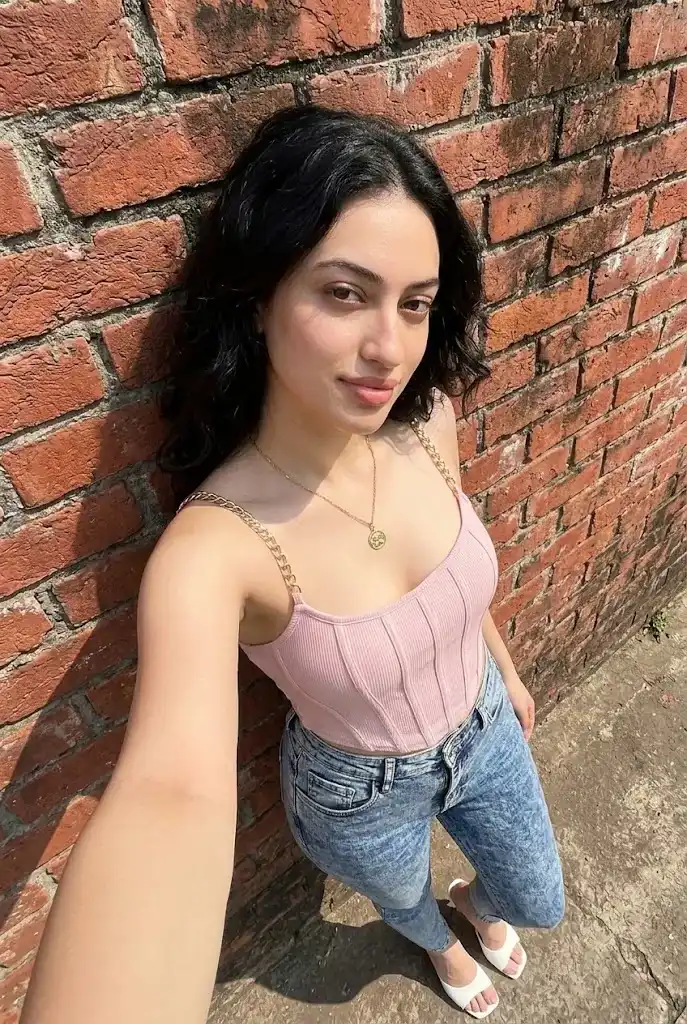
The High-Angle Fashion Prompt is an AI photo-editing concept built to turn an ordinary portrait into a modern, Instagram-inspired fashion photograph. It combines a dramatic top-down camera angle, casual street fashion, direct sunlight, textured brick architecture, and polished editorial styling into one confident, eye-catching image.
The subject is a woman with long, naturally wavy dark hair and a calm, gentle smile, positioned against a weather-stained red brick wall and looking up toward the camera from a high overhead angle. That unusual viewpoint gives the shot a dynamic, dimensional feel, as though the viewer is standing directly above her. Her outfit blends feminine and contemporary style: a light pink ribbed corset-style top with delicate gold chain straps, high-waisted acid-washed blue skinny jeans, a gold pendant necklace, and white open-toe heels. The red brick wall's weathered texture contrasts sharply with the soft pink and blue tones, keeping the scene from feeling like a generic studio shot.
Bright, direct sunlight is central to the look — crisp shadows fall naturally across both the wall and the subject, giving the image the feel of a real outdoor fashion shoot rather than soft studio lighting. The 2:3 vertical format leaves enough room to capture the subject, outfit, brick wall, and shadow patterns while keeping a strong social-media aesthetic. When a reference photo is used, the subject's real facial features, hairstyle, and skin tone stay intact while the AI transforms the wardrobe, pose, environment, and lighting
“High-Angle Fashion Prompt”
A top-down perspective, high-angle, close-up selfie shot of a woman with long, wavy dark hair and a calm smile. She is leaning against a textured. weather-stained red brick wall in a casual Instagram-style po. She is wearing a light pink ribbed corset-style top with gold chain straps, high-waisted acid-washed blue skinny jeans, a delicate gold pendant necklace, and white open-toe high heels. The scene features bright, direct sunlight creating realistic, crisp shadows on her and the brick wall, 2:3 an Visit site realistic, strong look. C ratio.
How To Use Photo Editing?
Using the High-Angle Fashion Prompt is simple when the editing process is divided into several stages. The quality of the reference image and the accuracy of the composition are particularly important for this style.
Step 1: Select a Good Reference Photo
Choose a high-resolution photograph where the subject's face, hairstyle, and natural appearance are clearly visible. A well-lit image is preferable because it provides useful information about facial features and skin texture. Avoid extremely blurry images, excessive beauty filters, heavy shadows, or photographs where important facial details are hidden.
Step 2: Upload the Reference Image
Upload the selected photograph into an AI photo-editing or image-generation platform that supports reference images.
Use an instruction such as:
“Use the uploaded photograph as the primary identity reference. Preserve the subject's recognizable facial features, hairstyle, natural skin tone, facial proportions, and overall appearance while transforming the clothing, pose, environment, and lighting.”
This helps maintain consistency while allowing the AI to create the new fashion scene.
Step 3: Add the Complete Prompt
Paste the complete High-Angle Fashion Prompt into the prompt field. Make sure the description includes the camera angle, brick wall, outfit, jewelry, sunlight, shadows, composition, and photographic style.
Step 4: Generate Multiple Variations
Create several versions and compare them. Look for the variation with the most natural face, realistic hands, accurate clothing, convincing sunlight, and strongest high-angle composition.
Tools You Can Use For Prompt Copy and Create Photo
There are several categories of tools that can help create this type of fashion image.
1. AI Image Generators
AI image generators can create complete fashion scenes from detailed text prompts. They can generate the subject's clothing, environment, lighting, camera angle, shadows, and overall composition. For reference-based portraits, choose platforms that support image references and identity consistency.
2. AI Photo Editors
AI photo-editing applications are useful when you already have an existing photograph. They can help replace the background, change clothing, adjust the camera perspective, modify lighting, and create a new fashion environment. These tools are particularly useful when maintaining the original person's recognizable appearance is important.
3. Professional Editing Software
Professional photo-editing software can be used for final refinements. Exposure, contrast, highlights, shadows, cropping, sharpness, and color balance can be adjusted manually. You can also enhance the brick texture and selectively control the strength of the sunlight and shadows.
4. Image Enhancement Tools
Image-enhancement and upscaling tools can improve resolution and fine details after generation. They can help refine hair strands, jewelry, denim texture, brick details, and overall image clarity. Avoid excessive enhancement because over-sharpening can make skin appear unnatural.
How To Edit Photo?
After generating the initial image, inspect each important component carefully.
Step 1: Check Facial Identity
Compare the generated face with the reference image. Check the eyes, eyebrows, nose, lips, jawline, hairstyle, skin tone, and facial proportions. Avoid unnecessary facial changes or excessive skin smoothing. The final portrait should maintain natural skin texture and recognizable characteristics.
Step 2: Refine the Hair
The long wavy dark hair should have individually visible strands and natural volume. Hair should fall naturally around the face and shoulders while responding realistically to gravity and the camera angle. Avoid repetitive or plastic-looking hair patterns.
Step 3: Improve the Pink Corset Top
The light pink ribbed top should have realistic fabric texture and clearly visible ribbing. The corset-inspired structure should fit naturally without creating unnatural body proportions. The gold chain straps should appear delicate and properly positioned.
Step 4: Refine the Denim
The high-waisted acid-washed blue jeans should have realistic denim texture, natural creases, and believable highlights. The acid-washed pattern should appear irregular and authentic rather than artificially repeated. Make sure the jeans fit naturally around the body.
Step 5: Check Jewelry and Shoes
The delicate gold pendant necklace should sit naturally around the neck and have subtle realistic reflections. The white open-toe heels should maintain correct proportions and anatomical alignment. Carefully inspect the feet and toes for AI-generated distortions.
Step 6: Enhance the Brick Wall
The weather-stained red brick wall should have realistic variations in brick color, mortar, cracks, stains, and surface texture. The wall should feel authentic rather than looking like a digitally generated repetitive pattern.
Step 7: Adjust Direct Sunlight
Bright sunlight is essential to the concept. Use strong directional illumination that creates crisp shadows across the subject and brick surface. The sunlight should produce realistic highlights on the hair, skin, jewelry, clothing, and shoes while maintaining sufficient detail in the shadows.
Step 8: Perfect the High-Angle Perspective
The camera should appear positioned significantly above the subject. The top-down perspective should be obvious without creating unnatural body distortion. Pay special attention to facial proportions, shoulders, hands, legs, and shoes because extreme camera angles can sometimes produce anatomical inconsistencies.
Step 9: Apply Final Color Grading
Maintain vibrant but realistic colors. The red brick, pink top, blue jeans, gold jewelry, and white heels should remain visually distinct. Moderate contrast and natural saturation can give the image a professional fashion-editorial appearance without making it look overly processed.
Step 10: Choose the Final Composition
The 2:3 vertical format works well for fashion photography and social-media content. Keep the subject as the primary focal point while allowing enough of the brick wall and sunlight patterns to remain visible. A balanced composition should make the viewer immediately notice the subject while using the wall texture and shadows as supporting visual elements.
Conclusion
This concept blends modern fashion, dramatic top-down perspective, textured urban architecture, and bright natural sunlight into a striking portrait. The pink corset top and acid-washed denim create a contemporary, feminine focal point, while the brick wall and overhead camera angle give it a distinctive Instagram-editorial feel. Getting it right starts with a strong reference photo and a detailed prompt covering identity, pose, wardrobe, lighting, and composition, followed by careful review of the face, hair, hands, feet, jewelry, and brick texture. Done well, it turns an ordinary photo into a polished outdoor fashion portrait suited for Instagram, fashion inspiration, portfolios, wallpapers, and modern social campaigns.