Introduction
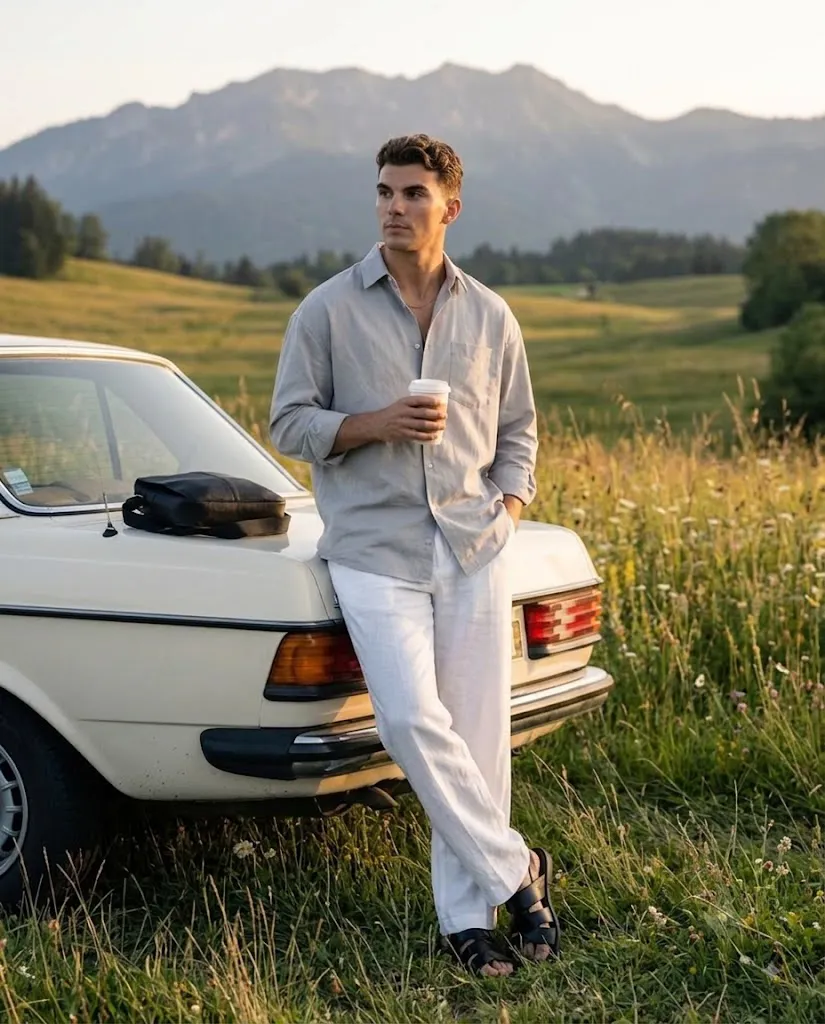
The Lush Green Cinematic Outdoor Prompt is a beautiful AI photo-editing concept created for transforming an ordinary reference photograph into a premium outdoor cinematic portrait. The concept focuses on natural beauty, realistic clothing, lush greenery, soft daylight, and an authentic photographic appearance.
The main idea is to keep the person completely consistent with the uploaded reference image while changing or enhancing the surrounding environment. The subject wears an oversized light-gray button-up shirt, loose white wide-leg pants, and simple black sandals. This minimalist outfit creates a sophisticated contrast against a vibrant green outdoor landscape.
One of the strongest aspects of this concept is its natural aesthetic. Instead of using an artificial studio background, the subject is placed in a lush open environment surrounded by greenery. The natural setting can include grass, plants, trees, and soft atmospheric depth. The result should feel like a professionally photographed lifestyle editorial rather than an obviously AI-generated image.
The reference image plays an important role in maintaining continuity. Facial identity, hairstyle, skin tone, body proportions, pose, outfit, camera angle, and perspective should remain consistent. The purpose of the AI transformation is to enhance the environment and cinematic quality without unnecessarily changing the subject.
Soft natural lighting can further improve the result. Gentle sunlight falling across the subject creates realistic highlights and shadows, while a subtle depth-of-field effect separates the person from the distant greenery.
"Lush Green Cinematic Outdoor Prompt"
Create an ultra-realistic cinematic outdoor portrait using the uploaded photo as the reference. Keep the subject 100% identical-same real face, hairstyle, facial features, skin tone, body proportions, pose, outfit (oversized light gray button-up shirt, loose white wide-leg pants, black sandals), camera angle, and perspective. Do not change the identity or expression. Place the subject naturally in lush open.
How To Use Photo Editing?
Using the Lush Green Cinematic Outdoor Prompt is simple when you follow a clear workflow.
Step 1: Choose the Right Reference Photo
Start with a high-quality photograph that clearly shows the person's face, hairstyle, clothing, and body proportions. A well-lit reference photograph generally works better because the AI can understand facial and clothing details more accurately. Avoid images that are heavily blurred, extremely dark, or obstructed by objects.
Step 2: Upload the Reference Image
Open an AI photo-editing or image-generation platform that supports reference images. Upload the selected photograph and make it the primary reference.
You can provide an identity-preservation instruction such as:
“Use the uploaded image as the primary reference. Preserve the subject's recognizable facial identity, hairstyle, skin tone, body proportions, outfit, pose, camera angle, and perspective.”
This helps the AI understand that the person should remain visually consistent.
Step 3: Add the Complete Prompt
Paste the Lush Green Cinematic Outdoor Prompt into the prompt box. Include details about the environment, natural lighting, clothing, camera perspective, realism, depth of field, and overall cinematic aesthetic. Detailed instructions usually produce more controlled results than a short description.
Step 4: Generate the Image
Generate the first version and carefully inspect the result. Check whether the face, hairstyle, outfit, pose, body proportions, and background look natural. If something is incorrect, modify the prompt specifically rather than changing everything at once.
Tools You Can Use For Prompt Copy and Create Photo
Different types of creative tools can be used to create this outdoor cinematic portrait.
1. AI Image Generation Tools
AI image-generation platforms can create detailed outdoor environments based on text prompts. They are useful for generating lush greenery, natural lighting, atmospheric backgrounds, and cinematic compositions. If you are working with a real reference photograph, use a platform that supports image references or identity consistency.
2. AI Photo Editing Tools
AI photo editors are useful when you already have a photograph and want to change the surrounding environment. They can help place the subject into a natural green landscape while preserving important elements from the original photograph.
3. Traditional Photo Editing Software
Traditional editing software can be used after AI generation for final adjustments. You can refine exposure, contrast, shadows, highlights, sharpness, cropping, and color balance.
4. Image Enhancement Tools
Image enhancement or upscaling tools can improve the final resolution and clarity. These tools are especially useful when the final image is intended for printing, high-resolution wallpapers, websites, or social media.
How To Edit Photo?
After generating the image, carefully refine the most important visual elements.
Step 1: Check Facial Identity
The face should remain consistent with the reference photograph. Inspect the eyes, eyebrows, nose, lips, jawline, skin tone, and hairstyle. Avoid excessive beautification or artificial skin smoothing because these changes can reduce the natural appearance of the portrait. If the identity looks different, regenerate the image with stronger reference-image instructions.
Step 2: Check the Outfit
The subject should wear the specified oversized light-gray button-up shirt, loose white wide-leg pants, and black sandals. The shirt should have realistic folds and natural fabric texture. The wide-leg pants should fall naturally around the legs, while the black sandals should have realistic proportions and contact with the ground.
Step 3: Improve the Green Environment
The background should feature lush open greenery. Use a combination of grass, plants, trees, and natural foliage to create depth. Avoid making every background element equally sharp. A slightly blurred background creates a professional photography effect and keeps attention on the subject.
Step 4: Adjust Natural Lighting
Natural sunlight should provide the primary illumination. Soft sunlight can create gentle highlights on the face, hair, and clothing. Shadows should remain subtle and physically believable. Avoid extremely bright highlights that wash out the face or clothing.
Step 5: Create Cinematic Depth
A subtle depth-of-field effect can make the subject stand out from the greenery. The person should remain sharp while distant plants and trees gradually become softer. This technique gives the image a professional portrait-photography appearance.
Step 6: Refine Colors
The green background should appear rich and vibrant without becoming unnaturally saturated. The light-gray shirt and white pants should remain neutral, providing a clean contrast against the green environment. A subtle cinematic color grade can improve the overall mood while preserving natural skin tones.
Step 7: Correct Perspective
Perspective is important when combining a reference photograph with a new environment. The subject's size, position, camera height, and shadows should match the surrounding landscape. If the subject appears to be floating or incorrectly positioned, regenerate the image or correct the perspective during post-processing.
Step 8: Choose the Final Format
For Instagram posts, a 4:5 vertical composition works well. For Stories, Reels, and mobile wallpapers, 9:16 is a practical format. For websites or desktop backgrounds, landscape formats can provide more environmental space.
Conclusion
The Lush Green Cinematic Outdoor Prompt is an excellent concept for creating a natural, sophisticated, and photorealistic outdoor portrait. Its minimalist outfit, lush greenery, soft daylight, and cinematic depth create a calm lifestyle-editorial appearance.
The key to achieving a convincing result is preserving the subject's recognizable identity and maintaining realistic proportions, clothing details, lighting, and perspective. The environment should enhance the photograph rather than distract from the person.
For the best results, begin with a clear reference image and use detailed instructions about identity preservation, clothing, pose, camera perspective, lighting, and background. Generate several variations and carefully select the strongest composition.
Finally, refine the image using subtle color correction, realistic shadows, depth of field, and resolution enhancement. Avoid excessive filters or artificial skin smoothing.
With the right prompt and editing workflow, an ordinary photograph can be transformed into a beautiful Lush Green Cinematic Outdoor Portrait that looks natural, premium, and professionally photographed—perfect for social media, fashion inspiration, lifestyle photography, digital portfolios, and personal creative projects.